Wolf Barb Luciocyprinus striolatus conservation project in Nakai-Nam Theun National Park
January 9, 2026
Applications open: Conservation Standards Course and Coaching Programme – Southeast Asia Women Edition (2026-2027)
October 1, 2026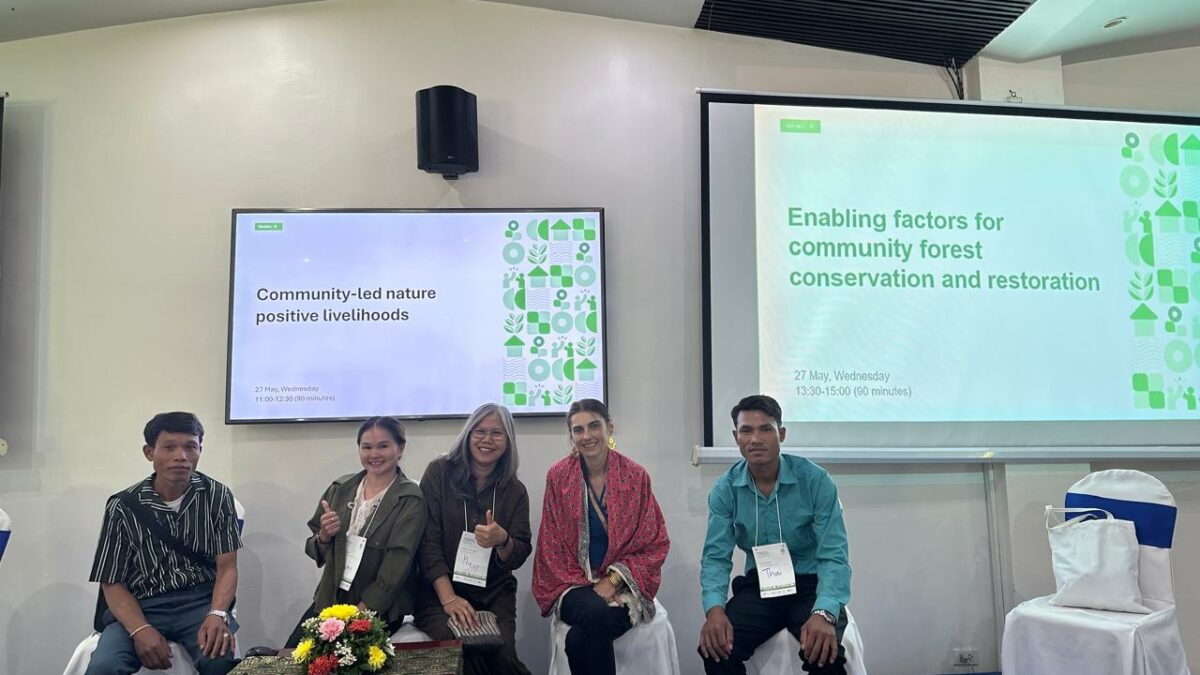
From 25 to 29 May 2026, Association Anoulak joined practitioners, Indigenous Peoples, government representatives and researchers from across the Asia-Pacific in Luang Prabang, Lao PDR, for the regional conference “Community forests for a biodiverse future: Governance, knowledge and action in the Asia-Pacific region.” We were invited to present our six-year (2020-2025) programme in Nakai District and the lessons it has produced about what makes community-led conservation last.
About the conference
Organised by RECOFTC in partnership with the Department of Forestry of the Ministry of Agriculture and Environment of Lao PDR, Cornell University and Oregon State University, the five-day conference brought together more than 100 representatives from 15 countries. The programme featured 13 technical sessions, a field visit and a working roundtable, with discussions centred on the on-the-ground experience, evidence, policy and financing needed to scale up community-led conservation.
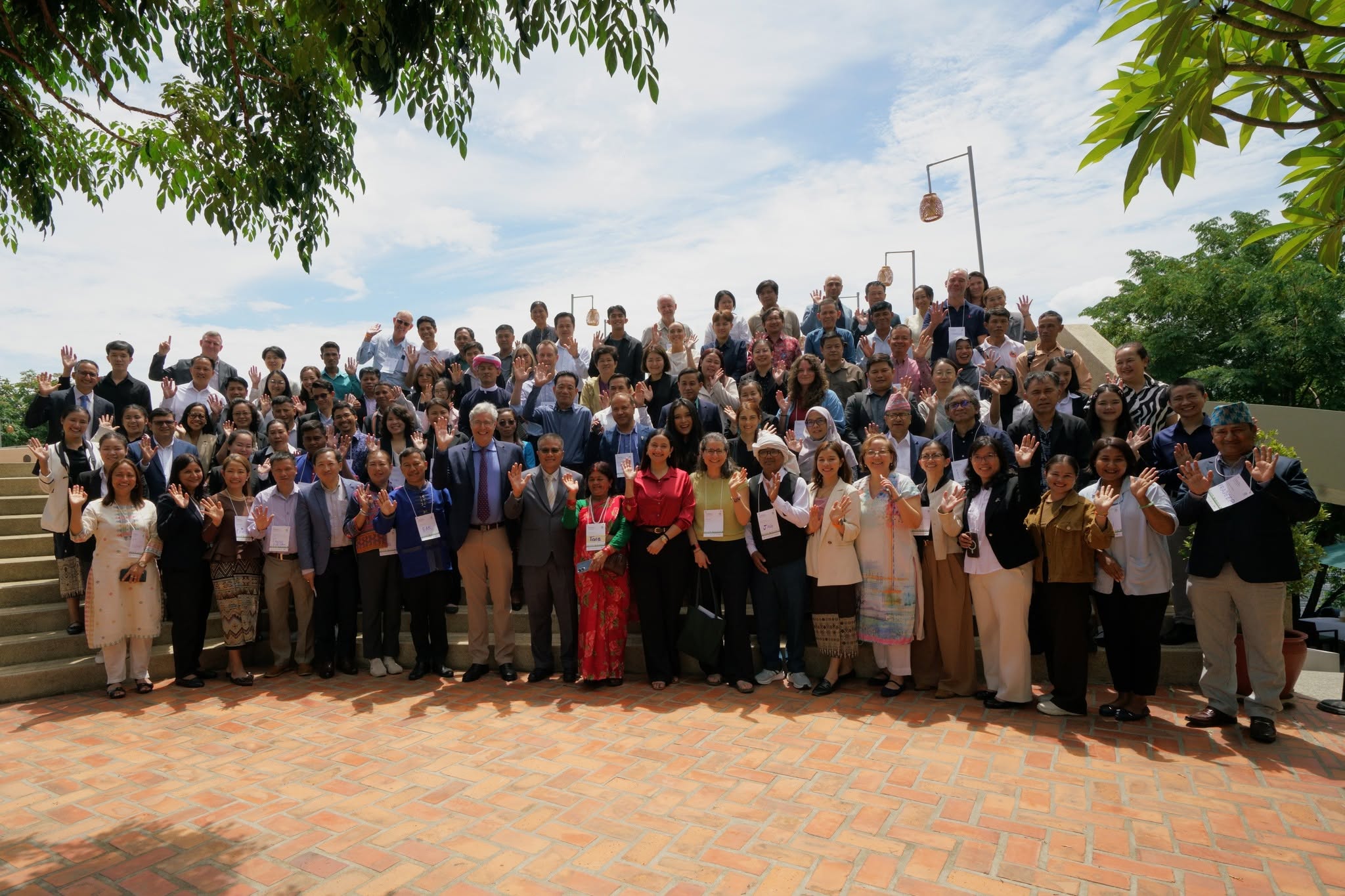
Conference participants from the Asia-Pacific region
The event was framed around this year’s International Day for Biological Diversity theme — acting locally for global impact — and examined how community forestry can contribute directly and measurably to the Kunming–Montreal Global Biodiversity Framework. A recurring message across the week, voiced by community leaders from Cambodia, Lao PDR, Myanmar, Nepal and Thailand, was that when rights are secure and governance is inclusive, communities are among the most effective stewards of biodiversity — and that the meaningful participation of women and youth is essential to that work.
Importantly, communities from the Nakai–Nam Theun National Park took part alongside us, so that the people who lead the work were present to speak to it directly.
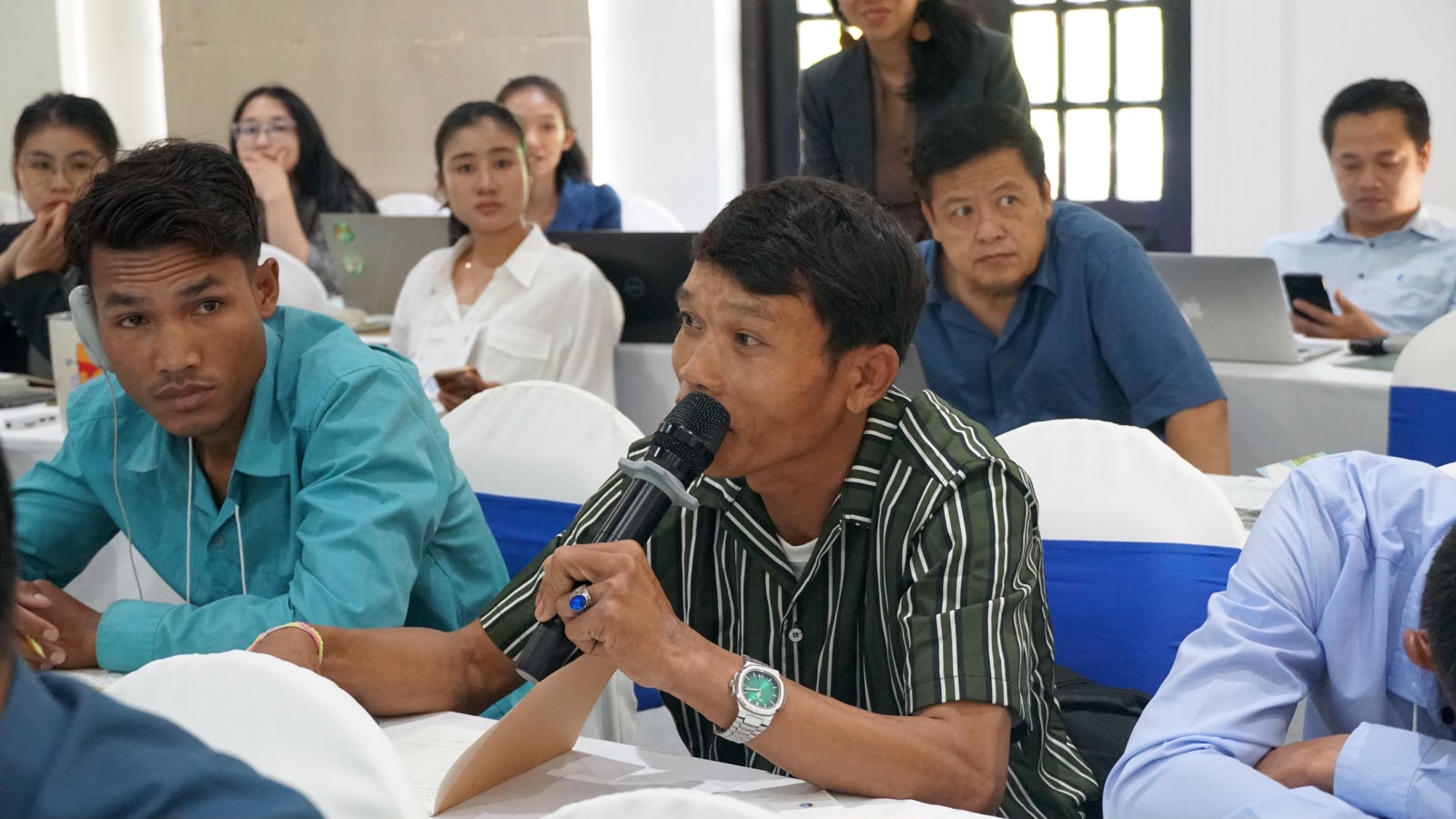
Village chief from a village in Nakai-Nam Theun National Park, member of the handicraft group
Background: the Nakai programme
In 2020, Association Anoulak launched its programme Community Resilience and Biodiversity Conservation in Nakai District, Khammouane Province, Lao PDR. Over six years, from 2020 to 2025, we worked with four villages — the Thaphaiban cluster, home to 521 families of the Makong/Bru ethnic minority — located inside the Nakai–Nam Theun National Park.
The programme was designed from the outset for one purpose: to remain viable once Association Anoulak’s direct support came to an end. Communities in the area depend heavily on natural resources for food security and income, often through harvesting and agricultural practices that are difficult to sustain over time, and with limited access to markets and entrepreneurship support. Rather than introduce activities that would collapse when funding stopped, the programme set out to build alternative, sustainable livelihoods that reduce pressure on wild resources while strengthening household income.
Through community consultation and analysis, handicraft emerged as the most sustainable option. It builds on non-timber forest products that are abundant locally — bamboo, Pandanus, fish-tail palm and rattan — and on deep indigenous knowledge of how to manage and use them. Crafting is also a living part of local culture, which gave the work both a foundation of skill and a sense of ownership from the start.
Key messages from our presentation
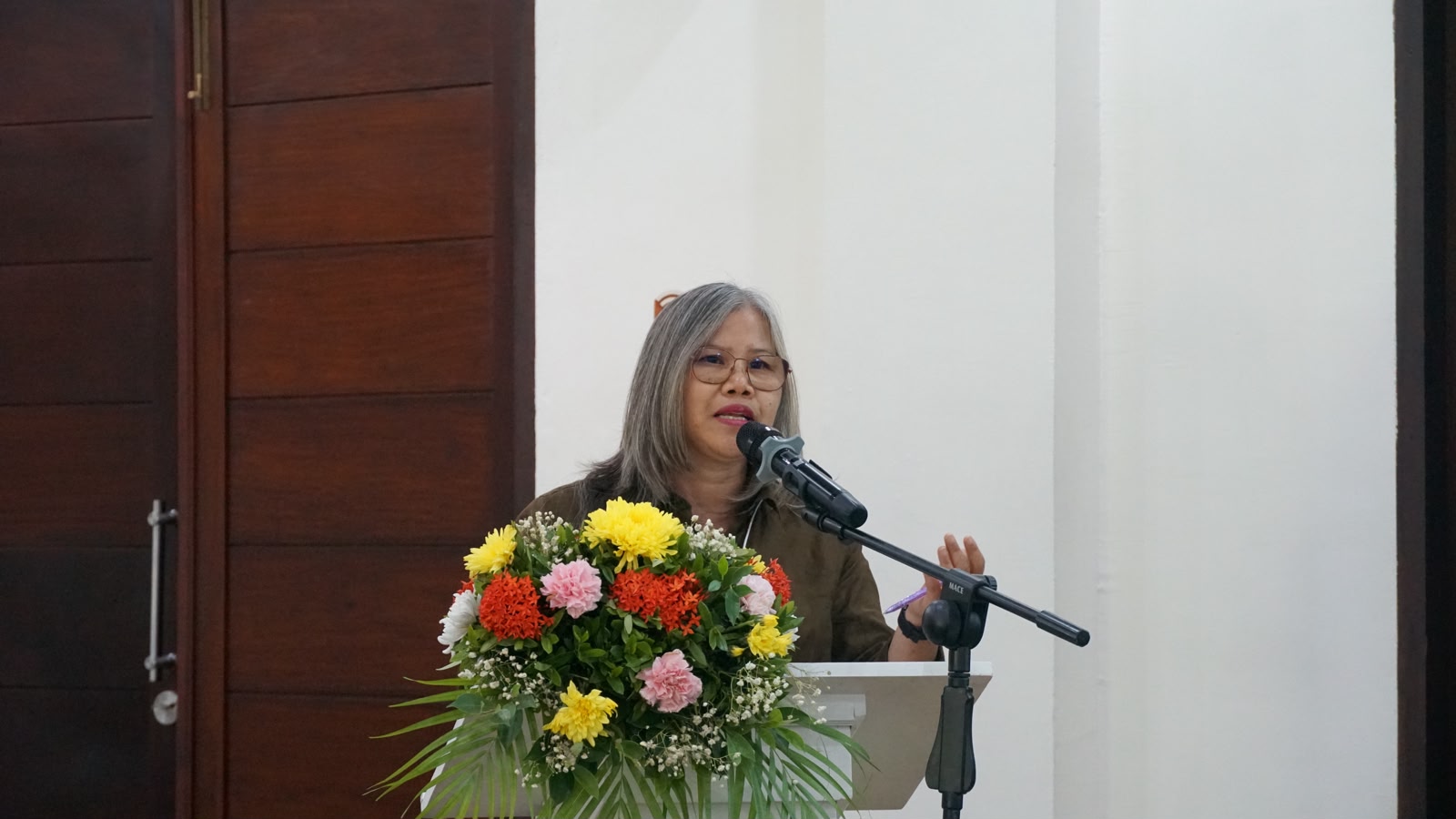
Presenting on 27 May, Association Anoulak’s Lampheuy Kaensombath (project manager of the program from 2020 to 2025) shared how the Thaphaiban communities led the work themselves, through a learning-by-doing process, and what the experience reveals about sustainability.
 A community-owned value chain. By 2025, the Thaphaiban handicraft group operated a full value chain running from individual members, through group marketing and village collectors, to the Nakai shop and on to traders and customers. Each link is managed by community members with defined roles, and the group sustains it through its own financial structures — a village handicraft fund, a group fund and a shop operation fund — that keep value circulating locally rather than depending on outside cash flow.
Communities leading the sustainable use of biodiversity. Group members agreed on harvesting calendars and cutting techniques for each plant species and passed this knowledge on to younger villagers, avoiding duplication and over-use of shared forest areas. A member-initiated “family forest” model (Pa Hua Hai Pai Na) gave households direct benefits and grew to 85 plots across 70 families in two years, combining harvesting, restoration and planting. After the programme closed, group leaders continued monitoring and assessing natural resources on their own — including 3,107 seedlings across 21 taxa planted with a 55% survival rate recorded in October 2025.
The communities spoke for themselves. Representatives from Thaphaiban — including the village chief and crafter, the group head and collector, and the shop owner — shared the enabling conditions and the real challenges of running a sustainable handicraft value chain, from building the confidence of women and youth to balancing crafting against farming and competing economic pressures.
From this experience, we shared three conclusions with the conference:
- Sustainable use and management of biodiversity is only ever as strong as the commitment and ownership of local communities themselves.
- Continued local government support is a decisive driving force once external support ends.
- National development policies and strategies are directly tied to building the trust, confidence and incentives that lead communities to keep managing natural resources sustainably.
Our central takeaway was a simple one: no single donor can provide support forever, so the measure of success is whether communities can carry the work forward and scale it up on their own — sustaining the use of natural resources in ways that also enhance human well-being.
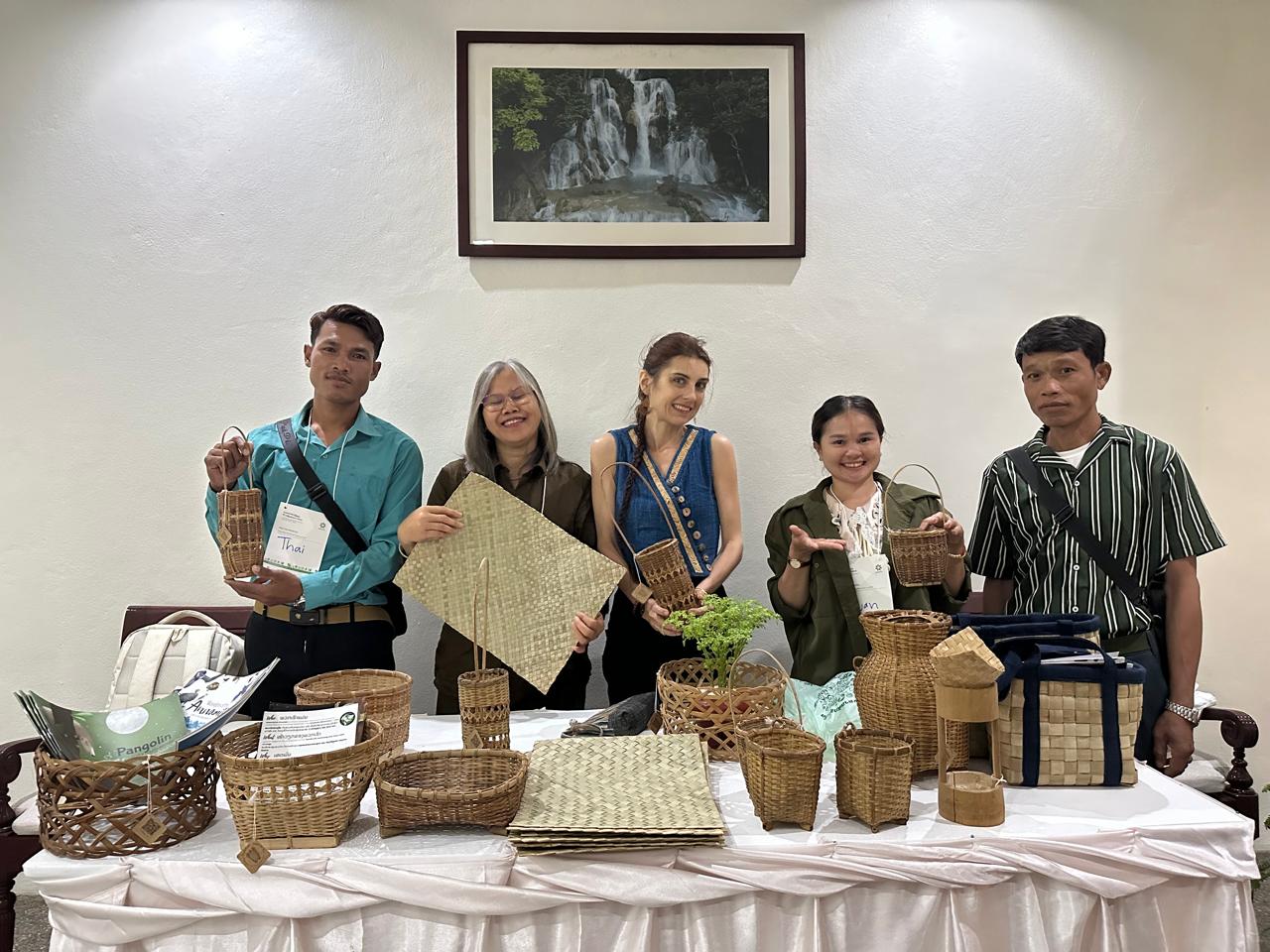
Marketplace selling handicrafts from the local communities of Nakai-Nam Theun National Park
Looking ahead
Presenting in Luang Prabang was an opportunity not only to share what worked in Nakai, but to learn from peers across the region who are navigating the same questions of governance, rights and finance. We are grateful to RECOFTC and its partners for convening the conversation, and to the Thaphaiban communities whose leadership made this story possible.
Short films on the handicraft value chain, sustainable harvesting and traditional techniques, and the restoration of non-timber forest products are available in our video channel and at conservationlaos.com.